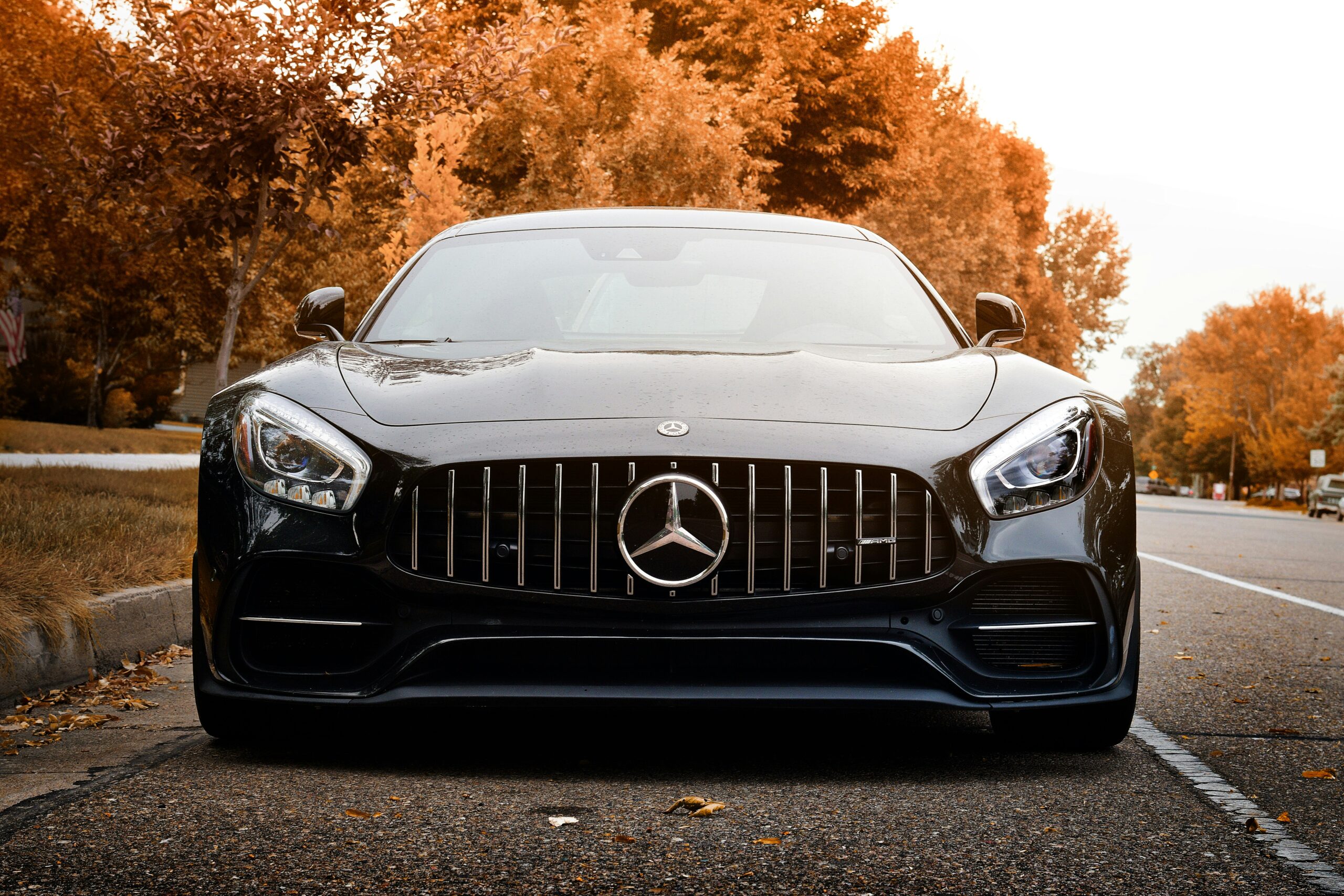
Artificial Intelligence (AI) is transforming many industries around the world, and the automobile industry is one of the biggest beneficiaries of this technology. AI is helping car manufacturers improve safety, enhance driving experiences, increase efficiency, and develop smarter vehicles. From self-driving technology to predictive maintenance, AI is reshaping how cars are designed, built, and used.
As technology continues to evolve, AI is expected to play an even bigger role in the future of transportation.
AI in Self-Driving Cars
One of the most exciting developments in the automobile industry is the rise of self-driving or autonomous vehicles. AI systems allow vehicles to analyze data from cameras, sensors, and radar to understand their surroundings. These systems can detect traffic signals, road signs, pedestrians, and other vehicles in real time.
Using advanced algorithms, AI can make driving decisions such as braking, accelerating, and steering. This technology aims to reduce human error, which is a major cause of road accidents. Although fully autonomous vehicles are still developing, many modern cars already use AI-powered features such as adaptive cruise control and lane-keeping assistance.
Improved Vehicle Safety
AI is significantly improving vehicle safety. Modern cars use AI-driven safety systems that monitor the road and alert drivers to potential dangers. Features like automatic emergency braking, blind spot detection, and driver monitoring systems rely on artificial intelligence to function effectively.
These technologies help prevent accidents by detecting risky situations before they become serious. As AI continues to improve, vehicles will become even safer for drivers, passengers, and pedestrians.

Predictive Maintenance
AI is also changing how vehicles are maintained. Traditionally, car maintenance was based on scheduled servicing or when a problem occurred. With AI-powered predictive maintenance, vehicles can monitor their own systems and detect potential issues before they cause serious damage.
Sensors in the vehicle collect data about engine performance, tire pressure, battery health, and other components. AI analyzes this data to predict when parts may fail or require maintenance. This helps drivers avoid unexpected breakdowns and reduces repair costs.
Smarter Manufacturing Processes
AI is transforming automobile manufacturing as well. Car manufacturers are using AI-powered robots and automation systems in factories to improve efficiency and precision. These systems can assemble vehicle components, inspect product quality, and identify defects more accurately than traditional methods.
AI also helps manufacturers analyze production data to optimize workflows and reduce waste. This results in faster production, better quality vehicles, and lower manufacturing costs.
Enhanced Driving Experience
Artificial intelligence is also improving the overall driving experience. Many modern vehicles now include AI-powered infotainment systems that provide navigation assistance, voice commands, and personalized recommendations.
For example, AI systems can learn a driver’s preferences, such as favorite routes, music choices, and climate settings. Some vehicles can even adjust seat positions, temperature, and entertainment automatically based on the driver’s habits.
These smart features make driving more comfortable, convenient, and enjoyable.
The Future of AI in the Automobile Industry
The future of AI in the automobile industry looks promising. As technology continues to advance, vehicles will become smarter, safer, and more efficient. Autonomous driving technology will likely improve, and AI systems will play a greater role in traffic management, navigation, and vehicle communication.
AI may also enable vehicles to communicate with each other and with smart city infrastructure. This could reduce traffic congestion, improve road safety, and create a more efficient transportation system.
In the coming years, artificial intelligence will continue to shape the future of mobility and transform how people travel.
FAQs
1. What role does AI play in the automobile industry?
AI helps improve vehicle safety, supports self-driving technology, enhances manufacturing processes, and enables predictive maintenance in modern cars.
2. Are self-driving cars completely controlled by AI?
Yes, autonomous vehicles rely on AI systems that analyze data from sensors, cameras, and radar to make driving decisions.
3. How does AI improve vehicle safety?
AI powers features such as automatic emergency braking, lane departure warnings, and collision detection systems that help prevent accidents.
4. Will AI replace human drivers in the future?
While fully autonomous vehicles are still developing, AI will likely assist drivers more in the future, making driving safer and more efficient.