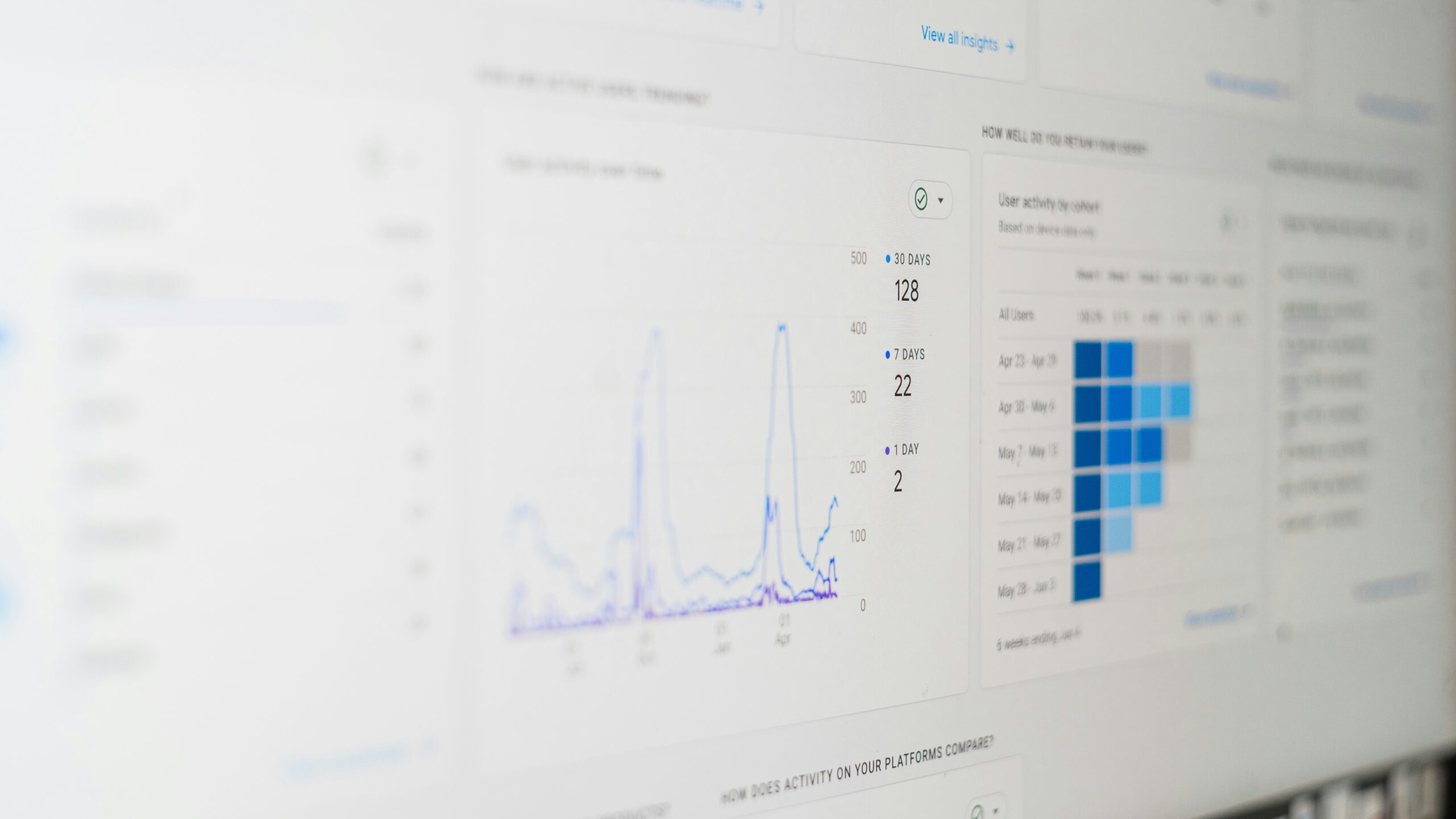
Technical SEO is no longer optional in 2026 it’s the backbone of ranking success. With Google’s AI-driven algorithms and evolving search experience, even small technical mistakes can seriously impact your rankings, traffic, and conversions | Technical SEO mistakes 2026
If your website isn’t performing well despite good content, chances are technical SEO issues are holding you back. Let’s explore the most common technical SEO mistakes and how to fix them.
1. Poor Core Web Vitals Performance
Google prioritizes user experience, and Core Web Vitals play a major role in rankings. Metrics like loading speed, interactivity, and visual stability directly affect your site performance.
Common issues:
- Slow loading pages
- High layout shifts
- Poor interaction responsiveness
Fix:
Optimize images, use lazy loading, reduce JavaScript, and invest in fast hosting.
2. Incorrect Indexing (Pages Not Indexed)
If your pages aren’t indexed, they simply won’t appear in search results.
Common causes:
- Wrong robots.txt settings
- Noindex tags
- Poor internal linking
Fix:
Use Google Search Console to check indexing status and ensure important pages are crawlable.
3. Crawl Budget Wastage
Search engines allocate limited crawl resources to your site. If wasted, important pages may not get indexed.
Common issues:
- Too many low-value pages
- Duplicate URLs
- Broken links
Fix:
Block unnecessary pages, fix broken links, and use canonical tags properly.
4. Duplicate Content Issues
Duplicate content confuses search engines and dilutes ranking signals.
Examples:
- Multiple URLs for same page
- HTTP vs HTTPS duplication
- Parameter-based URLs
Fix:
Use canonical tags, redirects, and consistent URL structures.
5. Broken Links & 404 Errors
Too many broken links create a bad user experience and harm SEO.
Fix:
Regularly audit your site and fix or redirect broken links to relevant pages.
6. Poor Mobile Optimization
With mobile-first indexing, your mobile site must be fully optimized.
Common issues:
- Non-responsive design
- Slow mobile speed
- Poor UX
Fix:
Use responsive design and test your site on multiple devices.
7. Weak Internal Linking Structure
Internal linking helps search engines understand your site structure and improves ranking.
Fix:
Link important pages using keyword-rich anchor text and maintain a clear hierarchy.
8. Missing Structured Data (Schema)
Structured data helps search engines understand your content better and enables rich results.
Fix:
Implement schema markup like FAQ, reviews, and product schema.
9. HTTPS & Security Issues
Security is a ranking factor. Non-HTTPS sites are flagged as unsafe.
Fix:
Install SSL certificates and ensure all pages load over HTTPS.
10. Slow Server Response Time
A slow server can delay crawling and indexing.
Fix:
Upgrade hosting, use CDN, and optimize backend performance.
Conclusion
In 2026, technical SEO is more critical than ever. Ignoring these issues can silently kill your rankings—even if your content is great.
Regular audits, performance optimization, and staying updated with Google’s changes are key to long-term SEO success.
FAQs
1. What is technical SEO?
Technical SEO focuses on optimizing website infrastructure to help search engines crawl and index your site efficiently.
2. How often should I do a technical SEO audit?
Ideally, every 3–6 months or after major website changes.
3. Do Core Web Vitals affect rankings?
Yes, they are a confirmed ranking factor and impact user experience.
4. What tools can I use for technical SEO?
Google Search Console, Screaming Frog, Ahrefs, and SEMrush.
5. Can technical SEO improve traffic?
Absolutely. Fixing technical issues can significantly boost rankings and organic traffic.